What is marijuana, and what are the effects of marijuana on the body?
Marijuana is a form of the cannabis sativa plant. When someone consumes marijuana, they may experience mood changes, changes in thoughts and perceptions and increased hunger.
Marijuana is a form of the cannabis sativa plant. The cannabis sativa plant contains more than 100 chemical compounds known as cannabinoids. The most commonly known cannabinoids are delta-9-tetrahydrocannabinol (THC) and cannabidiol (CBD).
Understanding THC, CBD, and hemp.
THC is the main cannabinoid that causes the “high” in marijuana. Marijuana with more than 0.3% THC is federally illegal, although it is legal in many states for adult and/or medical use.
CBD, or cannabidiol, is a naturally occurring compound found in the cannabis plant. It’s known for its potential therapeutic properties, particularly for pain relief and reducing anxiety, without producing the “high” associated with THC.
Forms of the cannabis sativa plant with less than 0.3% THC are known as hemp and are not illegal. Hemp is often used for industrial purposes. Marijuana and hemp both have the cannabinoid CBD.
Marijuana’s effect on mood.
When someone consumes marijuana, they may experience mood changes. Many feel euphoria and relaxation, although others may feel energized and more awake. Some people report changes in thoughts and perceptions, including feeling more creative. For many, marijuana increases appetite, which is informally known as “the munchies.” Some people may experience feelings of anxiety or paranoia after using marijuana. This depends on the individual’s mindset before consumption.
Different forms of consumption: from flower to concentrates to capsules.
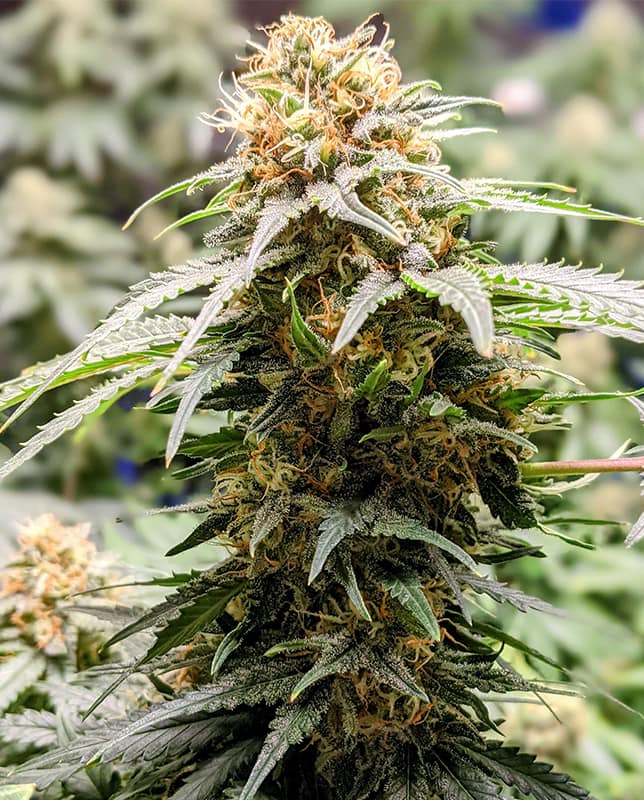
The most commonly consumed form of marijuana is the bud or flower, which is dried from the cannabis plant. Marijuana is often smoked in joints (rolled like cigarettes), blunts (marijuana-filled cigars), pipes (also called bowls), and water pipes (like bongs or hookahs).
Other marijuana products include concentrates like resin (such as hashish and bubble hash) and oils or concentrates (like shatter, wax, crumble, and butane honey oil) that are typically vaped. Smoking and vaping marijuana products lead to the quickest effects. Because the lungs absorb and pass THC directly into the bloodstream, it quickly enters the brain and body.
Marijuana is also consumed in other forms, such as edibles, capsules, and drinks. Forms of marijuana that are taken orally (i.e., eaten, drunk, swallowed) take longer to work. Because they must pass through the digestive system, effects may not be felt for up to an hour or more.
Tinctures are made by soaking dried cannabis flowers in alcohol. Tinctures are consumed by placing a few drops under the tongue with a dropper, which can lead to the body absorbing them faster and feeling the effects sooner.
Synthetic Cannabinoids
Synthetic cannabinoids, also known as K2 or Spice, are lab-made drugs meant to act like THC and other mood-altering cannabinoids. Synthetic cannabinoids are not marijuana. These synthetic drugs are unregulated and untested. They affect the body in different and often unpredictable ways.
While some states have banned certain synthetic cannabinoids, there are many states where these exist in a legal grey area. In those states, they may be sold in gas stations, convenience stores, or online.
Synthetic cannabinoids are made by spraying man-made chemicals onto dried plant material. This can then be smoked or mixed into liquid for vaping. These products are often sold as “herbal incense” or “potpourri” in bright packaging. They might have a label ‘not for human consumption’ because their effects can be unpredictable and can be harmful. However, these products remain popular with those who want to get high but need to pass drug tests, since they do not show up on many routine urine drug tests.
Hemp Products
Science doesn’t differentiate between “hemp” and “cannabis,” but the law does. Legally, the key difference between the two is THC content. The term “hemp” is used to mean cannabis that contains 0.3% or less THC. Products made from hemp can be intoxicating and they include various cannabinoids derived from hemp. These cannabinoids can create psychoactive effects like those from regular cannabis.
Delta-8 tetrahydrocannabinol (THC) is popular, but it’s just one of many hemp-based compounds. Delta-8 is a cannabinoid found in small amounts in hemp. It has effects similar to delta-9-tetrahydrocannabinol (THC), but is often less strong. Other intoxicating hemp products include CBD, THC-A, and THC-O. For example, Delta-8 is a cannabinoid found in small amounts in hemp. It has effects similar to delta-9-tetrahydrocannabinol (THC), but is often less strong.
The legal status of these intoxicating hemp products is complicated. The 2018 Farm Bill made hemp legal across the U.S. This opened the door for more intoxicating hemp products. But only a few states regulate these products. In those states, vendors have to be licensed and products must be accurately labeled.
In most states, hemp products are in a legal gray area. They aren’t illegal, but they aren’t regulated either. This can cause people to buy products with unknown concentrations or harmful chemicals. Labels and ads for unregulated products might make claims about their effects or medical uses. However, these claims may not be backed by evidence. These products are especially popular in states where marijuana is not legal for adult or recreational use.
As of April 2025, 17 states have banned delta-8-THC, and 7 have put strong restrictions on its sale. Policymakers and communities are trying to regulate these intoxicating substances.
Reviewed and updated by Dr. Sheila P. Vakharia on 08/01/2025.
 Action