What policies can help people stay safe from nitazenes?
Drug policies must be rooted in health, not punishment and criminalization. There are many policies that our elected leaders can pass at the local, state, and federal level to help people stay safe from drugs like nitazenes.
Unfortunately, many leaders remain committed to expanding criminalization instead of investing in care and support. Some nitazenes have already been scheduled under the Controlled Substances Act (CSA), making them federally illegal. Many other nitazenes remain unscheduled.
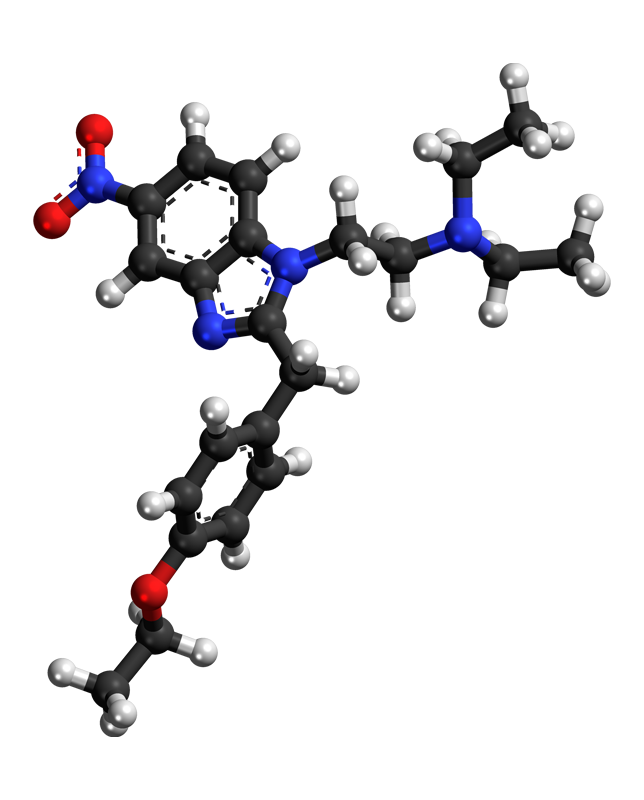
History has shown that banning specific substances unintentionally drives the creation of new ones. Similar to how the scheduling of fentanyl contributed to the rise of nitazenes, targeting particular formulations can incentivize suppliers to develop new molecular compounds that can evade legal restrictions. This effect is often referred to as “drug whack-a-mole” and can result in substances that are even more potent, risky, and unpredictable entering drug markets.
Beyond fueling the emergence of more dangerous drugs, scheduling drugs—particularly as Schedule I controlled substances—comes with a host of consequences that weaken people’s civil rights, restrict medical research, and impose years-long mandatory minimums.
Rather than expanding criminalization, elected leaders should prioritize policies that work and keep people safe from nitazenes:
- Invest in addiction services. A full range of addiction services—including counseling, medications, long-term treatment, and recovery housing—should be available to individuals. Personalized support reduces overdose risk and improves recovery chances.
- Expand access to addiction medications. Medications like methadone and buprenorphine promote recovery and save lives by reducing opioid cravings and withdrawal symptoms (for drugs like nitazenes), while cutting overdose risk in half. They should be widely available, including in jails and prisons.
- Address demand and the root causes of drug use. Opioids like fentanyl and nitazenes offer pain relief—many people use them to cope with physical or emotional pain. Ensuring people have access to housing, community, physical and mental health services, and good-paying jobs can help address why people are using.
- Increase access to interventions like naloxone and sterile supplies that reduce overdose deaths and infectious diseases. Naloxone saves lives by immediately reversing an active opioid overdose, and it can help people who accidentally consume nitazenes. Sterile supplies like syringes and smoking kits reduce the transmission of infectious diseases. These supplies should be widely available to people who use drugs, and their use and possession should not be criminalized.
- Authorize overdose prevention centers (OPCs) on the state and local level. These centers have trained staff who can respond to an active overdose at its earliest signs, preventing overdose deaths, saving lives, and connecting people to treatment and other essential care.
- Ensure people have access to basic needs like housing. Offer retroactive record clearing and the removal of civil penalties for drug convictions, so people have more access to jobs, housing, and benefits.
- Prioritize a health approach to drugs and end criminal penalties. Shift drug policy from a punishment to public health approach, focusing resources on treatment, housing, jobs, healthcare, overdose prevention, and crisis response teams.
- Improve drug checking and data collection. This will help us better understand the current drug supply, create warnings, and offer better solutions.
- Expand research and services for polysubstance use. Many people with substance use disorders use multiple drugs. Research and addiction services must account for polysubstance use to improve quality of services and lead to better outcomes.
Reviewed and updated by Dr. Sheila P. Vakharia on 04/20/2026.
 Action