What are nitazenes, and what are their effects on the body?
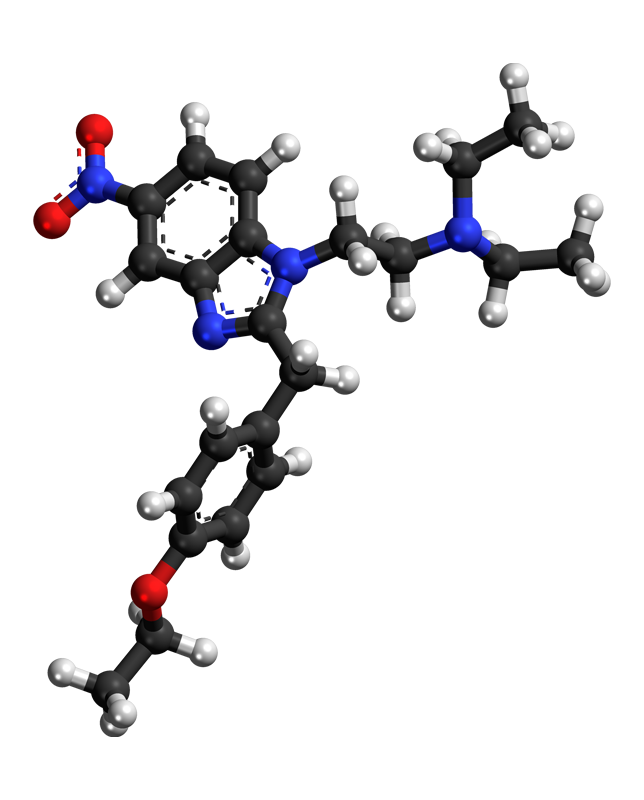
Nitazenes (technically known as 2-Benzylbenzimidazole opioid agonists) are a class of synthetic opioid drugs.
Like fentanyl and other synthetic opioids, chemicals or precursors used to make nitazenes are likely produced in China and then shipped to Mexico or the U.S. to be synthesized. Then, nitazenes are mixed into fentanyl powder or added to counterfeit opioid pills.
There are thousands of different nitazene drugs— all share some aspects of their molecular structure but have key differences that can make them stronger or weaker.
Some nitazenes are much more potent than fentanyl. For instance, metonitazene is similar in potency to fentanyl, protonitazene is twice as potent as fentanyl, and isotonitazene is five times as potent as fentanyl.
People do not seek out drugs that contain nitazenes. Nitazenes are accidentally consumed when they are mixed into powder sold as fentanyl or counterfeit opioid pills. These drugs are consumed by injecting, smoking, or snorting them.
Reviewed and updated by Dr. Sheila P. Vakharia on 04/20/2026.
 Action