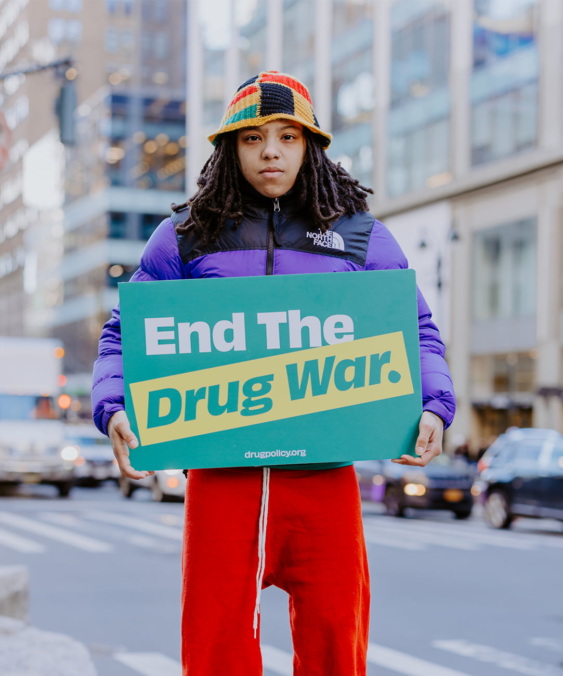
Drug War Dragnet: Surveillance, Criminalization, and Drug War Logic within and beyond Community Supervision

Drug war punishment has spread beyond the criminal system to harm our daily lives. The Drug Policy Alliance works to remove barriers to jobs, housing, and benefits people need for health and wellbeing.
“ My mom worked hard in college to become a counselor, while raising three kids. A marijuana possession charge from her teens almost cost her the job, unless she got it expunged. It felt so unfair that a decision from her youth could impact our livelihood.”
Brian P

Instead, prioritize skills for the role. Drug testing and hiring discrimination based on prior drug use can limit job opportunities, harming a person’s livelihood. Drug tests are not an appropriate tool in most job contexts, since testing only measures past usage, not current impairment.
Like SNAP (food assistance), which fight poverty and improve health. Restoring access for people with a drug conviction supports their basic survival needs, assists their return to the community after incarceration, and reduces the chance they’ll go back to jail or prison.
Parents able to care for their children should be able to do so. Supportive services need to help families stay together, instead of using any drug use as an excuse for invasive searches, ripping families apart, and termination of parental rights.
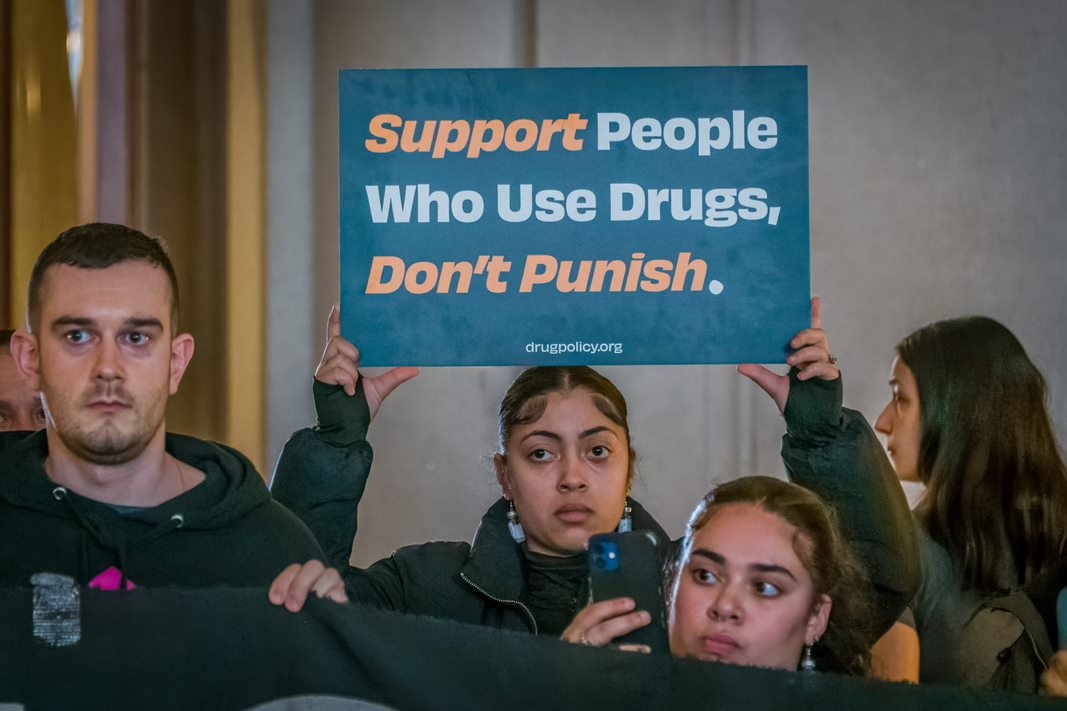
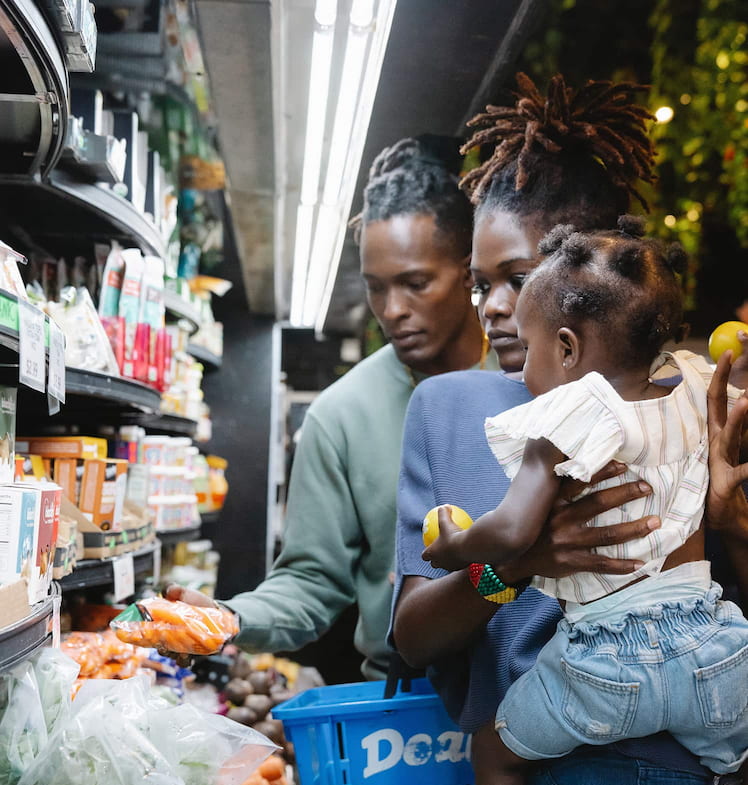
Everyone needs food, employment, and safe housing to survive. Yet, the U.S. punishes people for drug use in spaces and systems meant to support them, making it harder to find housing, get a job, or access social support. The United States’ civil systems should provide people with the supports they need, not use drugs as a reason to block resources and worsen suffering.
Instead of investing in communities, politicians prioritize surveillance, policing, and punishment. A drug-related arrest or conviction can block access to crucial lifelines like jobs and housing. But the harms of the drug war extend far beyond the criminal system.
Civil systems designed to help—like schools and social services—have become tools of punishment. Families are ripped apart over even suspected drug use. Individuals are deported for marijuana possession in places where it’s legal. Students are expelled because of random drug tests. Even essential needs like housing and food benefits are denied due to drug screening policies. For people navigating addiction, these harsh penalties can make recovery even harder when stability is essential.
From rural towns to inner cities, these harmful policies hurt individuals and families of all backgrounds. When people are blocked out of housing, jobs, schools, and even anti-hunger supports it impacts our communities, driving up homelessness and leading to people suffering publicly. Even though people of all races and ethnicities use and sell drugs at similar rates, Black, Latino, and Indigenous people, non-citizens, disabled people, and those with low income are disproportionately harmed due to targeted enforcement.
Making matters worse, predatory private companies profit while people can’t get help. Large corporations that control addiction treatment facilities have lobbied against evidence-based practices to expand their profits. Just to charge patients and Medicaid often, they require frequent in-person visits, even though doctors and public health officials advocate for more accessible options.
The safest neighborhoods provide housing, jobs, and services people need. Investing in social supports, community-based healthcare, and accessible housing benefits both individuals and the broader community.
Lawmakers must end harmful drug war policies and ensure that everyone—regardless of drug use—has the means they need for a healthy life: a safe place to live, job opportunities, stable employment, and the ability to stay connected to loved ones. It also means greater access to voluntary addiction services and social services.
When people have stability and assistance, they can better manage their needs, positively participate in society, and build healthier communities. The Drug Policy Alliance is working to remove barriers to work, care, and supports, regardless of drug use, so that families and communities not only survive but thrive.
We all want and deserve healthy and safe communities. To thrive, people need access to jobs, education, housing, and health care.

Long wait lists, unaffordable rates, and a shortage of providers are just some barriers to treatment. The Drug Policy Alliance is advocating for increased access to effective addiction services.