
The Drug Policy Alliance fights for evidence-based drug education. Information about drugs and drug policy is often based in fear, instead of fact, and perpetuates stigma. Many of the reforms we’ve fought for used to seem impossible. But through persistent public education, we’ve built incredible support for better drug policies.
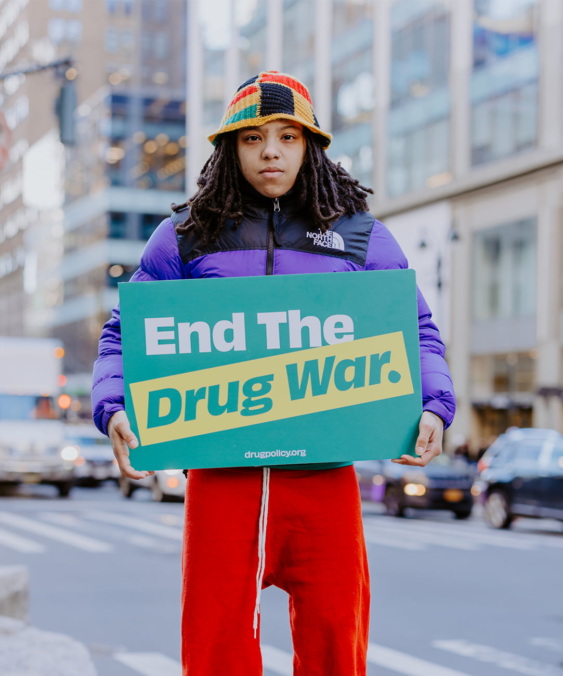
Criminalization of drugs was presented to Americans as a way stop drug use. We had to educate our communities on the harms of drug prohibition. DPA has dramatically transformed public opinion to demand change.
A 2021 nationwide poll found 83% of Americans know the drug war is a failure and want new approaches.
When DPA was founded in 2000, public support for recreational marijuana legalization was around 31%. By 2013, it finally crossed 50%. As of 2023, that number is 68%, with majorities cutting across demographics. And 88% support legalizing marijuana for medical or adult use. Now growing numbers of people support legalizing marijuana the right way. 57% agreeing with reserving the first licenses for people directly impacted by the criminal legal system. And 65% support reinvesting marijuana tax revenue into the most impacted communities.
DPA led the charge to make racial justice a cornerstone of drug policy reform. We’ve shaped the conversation through our campaigns and high-profile public education efforts. This includes viral videos From Prohibition to Gold Rush, featuring Jay Z and Your Brain on Drug Policy explaining the racist roots of the drug war. And we’ve influenced public understanding of race and drug policy through campaigns such as Color of Pain and events like White Faces, Black Lives and our Marijuana: Justice, Equity, and Reinvestment Conference in New York. Now racial justice cannot be ignored. It’s part of all conversations around drug policy happening today.
We believe that everyone should have access to effective, personalized addiction treatment support. In 2024, we released a report on drug treatment highlights why our elected leaders must invest in voluntary over forced treatment.