Harm reduction is a common-sense approach to keep people alive and offers a road towards care.
Harm reduction is designed to meet people where they are at to form connection. Harm reduction empowers people with tools that reduce the risks of drug use, prevent overdose, improve health, and save lives. Some may try to say “We need treatment instead,” but treatment only works if people are alive. And treatment is scarce: there are not enough beds, wait-times can be weeks or months long, or insurance may not cover it. Harm reduction is essential because it keeps people alive and connected to care until treatment is possible.
Harm reduction is about offering options that can help people who use drugs stay alive and reduce the spread of disease. It includes:
- accurate, fact-based drug education
- connection to evidence-based, voluntary drug treatment
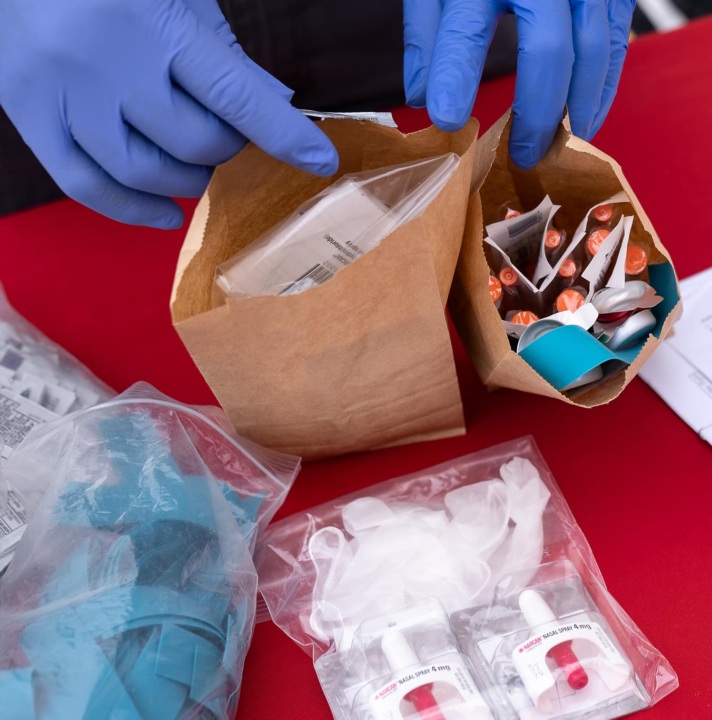
- access to life-saving medications like naloxone that can reverse an opioid overdose
- connection to stable housing
- drug checking (like fentanyl or xylazine test strips) that can detect unwanted substances in the drug supply
- syringe exchange services that keep people from contracting infectious diseases
- overdose prevention centers, where trained professionals can reverse fatal overdoses. They also prevent public drug use, reduce drug litter, and connect people with addiction services and social supports, including treatment.
Harm reduction is one piece of the puzzle in helping people who use drugs.
Harm reduction is a lifesaving tool. It can keep people safer, and alive, while navigating addiction and other health and social challenges. This includes homelessness, poverty, mental health, and trauma. Health starts where people live, learn, work, and play. Our elected officials must still invest in housing, in livable wages, and in better access to treatment and health care, etc.
Harm reduction services are an effective public health intervention.
They are proven to prevent overdose, curb the spread of disease, save lives, and connect people with care.
To learn more about harm reduction, visit the National Harm Reduction Coalition.