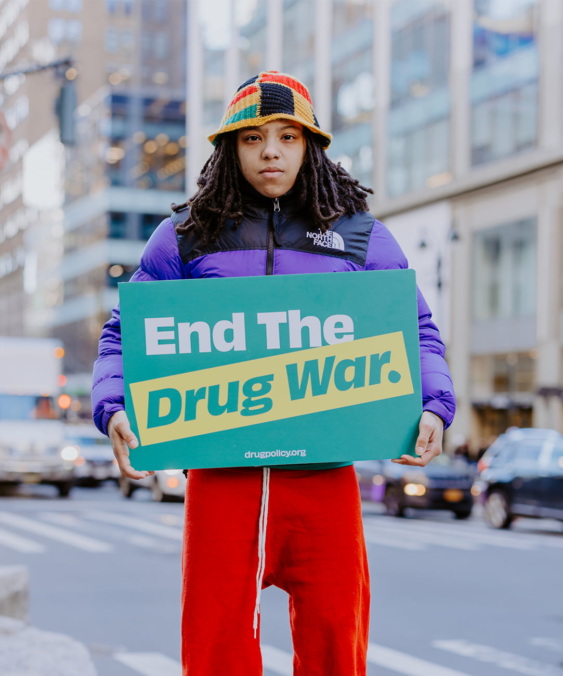
Las familias estadounidenses de todo el país están sufriendo las devastadoras consecuencias del fentanilo, la adicción y las sobredosis. En respuesta, el gobierno federal está recortando drásticamente la financiación de soluciones de salud y tratamiento de eficacia comprobada que salvan vidas. Como resultado, los costos de la atención médica se disparan, las listas de espera para el tratamiento de la adicción pueden durar semanas o meses, y el costo de vida para cubrir necesidades humanas básicas como la alimentación y la vivienda está aumentando. Los recortes propuestos y recientemente aprobados agravarán aún más esta situación.
“Los programas en los que participo han reducido o eliminado servicios esenciales para las personas que consumen drogas. Esto ha provocado pérdida de empleos, desesperación económica y una mayor presión sobre las organizaciones y los proveedores de servicios, que ya estaban trabajando al máximo de su capacidad. Recortes presupuestarios equivalen a vidas perdidas, sin duda alguna.”
“Estamos en una zona rural, por lo que cualquier recorte en el tratamiento de adicciones y la prevención de sobredosis hace que los recursos, que ya son escasos y difíciles de obtener, sean aún más inaccesibles.”
“Muchas personas no están recibiendo el tratamiento que merecen y necesitan… La gente está muriendo. Los seres queridos están sufriendo.”
Un análisis reciente muestra que 400 hospitales en todo el país Estados Unidos corre el riesgo de cerrar o reducir drásticamente sus servicios debido al proyecto de ley del presidente Trump, conocido como el "Gran Proyecto de Ley". El presupuesto propuesto por la administración Trump para el año fiscal 2027, que se suma a los recortes anteriores, supondría una reducción aún mayor. De implementarse, esto representaría un duro golpe para la infraestructura de salud pública que mantiene en funcionamiento los sistemas de tratamiento, prevención de sobredosis e investigación sobre adicciones del país.
El Disminución reciente de las muertes por sobredosis Esto demuestra que cuando las personas tienen acceso a tratamiento, herramientas de prevención de sobredosis y servicios de salud, las comunidades son más seguras y se salvan vidas. Sin una financiación fiable para los programas de prevención y tratamiento de la drogadicción, los servicios de salud comunitarios y las herramientas de prevención de sobredosis como la naloxona, las comunidades caen en una espiral de crisis: los síntomas de problemas de salud mental y consumo de sustancias aumentan la presión sobre los sistemas locales, los riesgos del consumo público de drogas se hacen más visibles, las comunidades se vuelven menos seguras y los contribuyentes afrontan mayores costes mientras se siguen perdiendo vidas.
Se han recortado los fondos federales a comunidades de todo el país, desestabilizando la labor vital de los profesionales de la salud pública y la salud mental. El personal federal que supervisaba la respuesta de nuestra nación a la crisis de sobredosis ha sido despedido de forma caótica, poniendo en peligro datos cruciales sobre el consumo de sustancias que guían y miden el impacto de nuestras decisiones políticas. Además, las recientes directrices del gobierno federal intentan recortar la financiación de SAMHSA para herramientas como las tiras reactivas de fentanilo, que ayudan a las personas a evitar su consumo. Ahora, la administración Trump propone recortes aún más devastadores a la atención médica.
La propuesta presupuestaria del gobierno de Trump para el año fiscal 2027 agravaría drásticamente esta crisis al recortar 10 mil millones de dólares adicionales y cerrar servicios de tratamiento y salud mental en todo el país.. Además de recortar drásticamente los tratamientos comunitarios y la respuesta a las sobredosis, y cerrar centros de salud y programas de prevención para jóvenes, los recortes propuestos por la administración tendrán como consecuencia lo siguiente:
Incluso antes de la propuesta presupuestaria de Trump para el año fiscal 2027, las familias y las comunidades sintieron las consecuencias de las decisiones presupuestarias federales que ya han recortado:
Los responsables políticos y las comunidades deben comprender la magnitud de los recortes y sus consecuencias reales para la seguridad y la salud de la población. Debemos unirnos para luchar por inversiones que garanticen la vida, la salud y el apoyo necesarios para las personas. Únete a nosotros para manifestarte en contra de estos recortes y exigir inversiones en soluciones sanitarias eficaces.
La Alianza de Políticas de Drogas y el Centro de Acción Legal Estamos haciendo un seguimiento de estas amenazas. Lea nuestro análisis completo a continuación.
La Administración de Servicios de Salud Mental y Abuso de Sustancias (SAMHSA) financia programas de tratamiento, medicamentos para el trastorno por consumo de opioides, la distribución de naloxona y ayuda a conectar a las personas —especialmente en comunidades rurales y marginadas— con la atención médica. A pesar del papel fundamental de la SAMHSA para abordar la crisis de sobredosis en todo el país, la administración Trump está optando por desmantelarla reduciendo su financiación y su personal.
En Milwaukee, Wisconsin, Meta House ofrece tratamiento de adicciones específicamente para mujeres, ofreciendo servicios ambulatorios y residenciales que también apoyan a sus hijos. Solo en 2024Meta House atendió a 331 mujeres y 168 niños. Las usuarias que permanecieron en atención ambulatoria durante al menos 90 días mostraron altas tasas de abstinencia o un menor consumo. Sin las subvenciones de SAMHSA, este programa en Wisconsin no sería posible y cientos de mujeres podrían quedar sin tratamiento ni atención para la adicción, y sus familias sin apoyo.
Los Institutos Nacionales de la Salud (NIH), principalmente a través del Instituto Nacional sobre el Abuso de Drogas (NIDA), lideran la investigación científica, los ensayos clínicos y la educación pública para comprender, prevenir y tratar la adicción. Financian estudios sobre cómo el consumo de sustancias afecta el cerebro y el cuerpo, y desarrollan y prueban medicamentos y terapias conductuales para el tratamiento de la adicción. Si bien la investigación sobre drogas y adicciones es ahora más necesaria que nunca, la administración Trump y el Congreso están recortando subvenciones vitales y despidiendo a nuestros principales expertos e investigadores. Para un análisis más detallado del impacto de los recortes en la investigación de los NIH, lea nuestra hoja informativa aquí.
La administración Trump propuso fusionar los dos institutos de los NIH dedicados al estudio del consumo de sustancias (el Instituto Nacional sobre el Abuso del Alcohol y el Alcoholismo y el Instituto Nacional sobre el Abuso de Drogas) en un solo centro, reduciendo su financiación en 1.041.000 millones de dólares con respecto a los niveles de 2026. Esta reestructuración tendría un impacto drástico en la forma en que se lleva a cabo la investigación sobre adicciones, aumentaría la competencia por los limitados recursos disponibles y pondría en riesgo la estabilidad de los proyectos de investigación y formación en adicciones en curso.
Muchos estudios y ensayos clínicos críticos sobre adicción se encuentran actualmente en suspenso, lo que tendrá un impacto mundial, ya que el NIDA (dentro de los NIH) financia 85% de la investigación global sobre adicción. Dejar esta investigación en suspenso pone en peligro el progreso futuro en medicamentos, tratamientos conductuales y prevención de sobredosis.
Los Centros para el Control y la Prevención de Enfermedades (CDC) apoyan a los centros de salud, la prevención de sobredosis y la vigilancia de la salud pública en todo el país. Financian a los departamentos de salud locales que brindan servicios de primera línea para la prevención de sobredosis y enfermedades infecciosas. Además, recopilan y analizan datos nacionales sobre sobredosis.
Las actividades de prevención y control de lesiones de los CDC se transferirían a la Administración para una América Saludable, con su financiación recortada en más de $173 millones Con los niveles de financiación actuales, la División de Prevención de Sobredosis, ubicada en el Centro de Prevención de Lesiones, se encarga de monitorear, prevenir y reducir los daños asociados con el consumo, el abuso y las sobredosis de drogas. La reestructuración del HHS interrumpiría nuestra respuesta federal ante las sobredosis, debilitando nuestra capacidad para identificar y abordar las nuevas tendencias en el consumo de drogas.
El Departamento de Justicia (DOJ) financia programas de tratamiento y recuperación de adicciones para personas involucradas en el sistema de justicia penal. Estas personas presentan altas tasas de adicción y un mayor riesgo de sobredosis. Los fondos del DOJ se utilizan para iniciativas como alternativas al encarcelamiento y programas de respuesta a emergencias sanitarias que conectan a las personas con servicios vitales. Si se aprueban nuevos recortes al DOJ, se crearán obstáculos para el tratamiento y la recuperación, con un mayor riesgo de sobredosis para las personas involucradas en el sistema de justicia penal. Además, se pondrían en peligro programas que han logrado desviar con éxito a personas con delitos de drogas cometidos por primera vez de la cárcel al tratamiento.
Aproximadamente 30 programas de subvenciones que históricamente fueron financiados en más de $1 mil millones Se eliminarían algunos de estos programas. Algunos se centraban en el apoyo forense para las investigaciones de opioides y drogas sintéticas, lo que mejoró nuestra comprensión de las sobredosis fatales y el suministro de drogas, así como en la tutoría para jóvenes afectados por la crisis de los opioides.
Por ejemplo, en Carolina del Norte, el Proyecto Lázaro, una organización sin fines de lucro creada en respuesta a las altísimas tasas de mortalidad por sobredosis en el condado de Wilkes, perdió su subvención del Departamento de Justicia. Esto resultará en menos segundas oportunidades, más encarcelamientos y un retroceso en el progreso de una comunidad que ya ha luchado arduamente para reducir las muertes por sobredosis.
La administración Trump ya ha recortado casi 1 billón de dólares de los fondos federales destinados a la prevención de sobredosis, el tratamiento de adicciones y los servicios de salud pública que salvan vidas. Ahora pretenden recortar otros 10 mil millones de dólares, desmantelando programas cruciales financiados por SAMHSA, los CDC, los NIH y el Departamento de Justicia. Estos recortes devastadores privarían a las comunidades de herramientas vitales como la naloxona, las tiras reactivas para detectar fentanilo y el tratamiento de adicciones.
¿El resultado? Más sobredosis. Menos opciones de tratamiento. Menos ayuda durante una crisis. Una emergencia de salud pública que se agrava.
Pero ya hemos librado batallas imposibles antes, y hemos ganado. La Drug Policy Alliance luchó por la naloxona, medicamentos que reducen el riesgo de sobredosis y tiras reactivas para detectar fentanilo cuando pocos lo hicieron. Hoy, estas herramientas salvan vidas y cuentan con apoyo bipartidista. Y a pesar de las exigencias de recortes masivos por parte de la administración Trump, instamos al Congreso a proteger la financiación crucial para la prevención de sobredosis y el tratamiento de la adicción en el presupuesto federal del año fiscal 2026.
Ahora necesitamos tu ayuda para volver a hacerlo en el próximo presupuesto.
Si tiene preguntas o consultas sobre el rastreador, envíe un correo electrónico a [email protected].
Este proyecto es una colaboración entre la Alianza de Políticas de Drogas y el Centro de Acción Legal. Recopilamos datos para este proyecto de diversas fuentes, incluyendo noticias, información publicada por el gobierno federal y reportajes no oficiales dirigidos por miembros actuales y anteriores del gobierno. Obtenga más información sobre nuestras fuentes de datos y metodología aquí.
El Alianza de Políticas de Drogas (DPA) Aborda los daños del consumo de drogas y su criminalización a través de soluciones políticas, organización y educación pública. Abogamos por un enfoque holístico de las drogas que priorice la salud, el apoyo social y el bienestar de la comunidad. La DPA se opone a los enfoques punitivos que desestabilizan a las personas, bloquean el acceso a la atención médica y agotan los recursos de las comunidades. Creemos que la regulación de las drogas debe basarse en la evidencia, la salud, la equidad y los derechos humanos. En colaboración con otros movimientos, cambiamos las leyes, promovemos la justicia y salvamos vidas.
El Centro de Acción Legal (LAC) Es una organización legal y de políticas que trabaja para combatir la discriminación, promover la equidad en salud y restaurar las oportunidades para las personas y comunidades afectadas por el sistema judicial penal, el consumo de sustancias y las afecciones de salud mental, y/o el VIH/SIDA. LAC busca erradicar y revertir las políticas punitivas sobre drogas que han impulsado el encarcelamiento masivo y no han contribuido a mitigar la actual crisis de sobredosis; eliminar el estigma generalizado que rodea al trastorno por consumo de sustancias y el tratamiento basado en la evidencia; y crear un acceso equitativo a una atención comunitaria asequible y de calidad. LAC visualiza una sociedad que defiende los derechos civiles de todas las personas, independientemente de su condición médica y/o antecedentes de arresto/condena, y busca desmantelar el racismo estructural en nuestros sistemas de salud y justicia, que ha causado daños desproporcionados a las personas negras y morenas en todo el país.