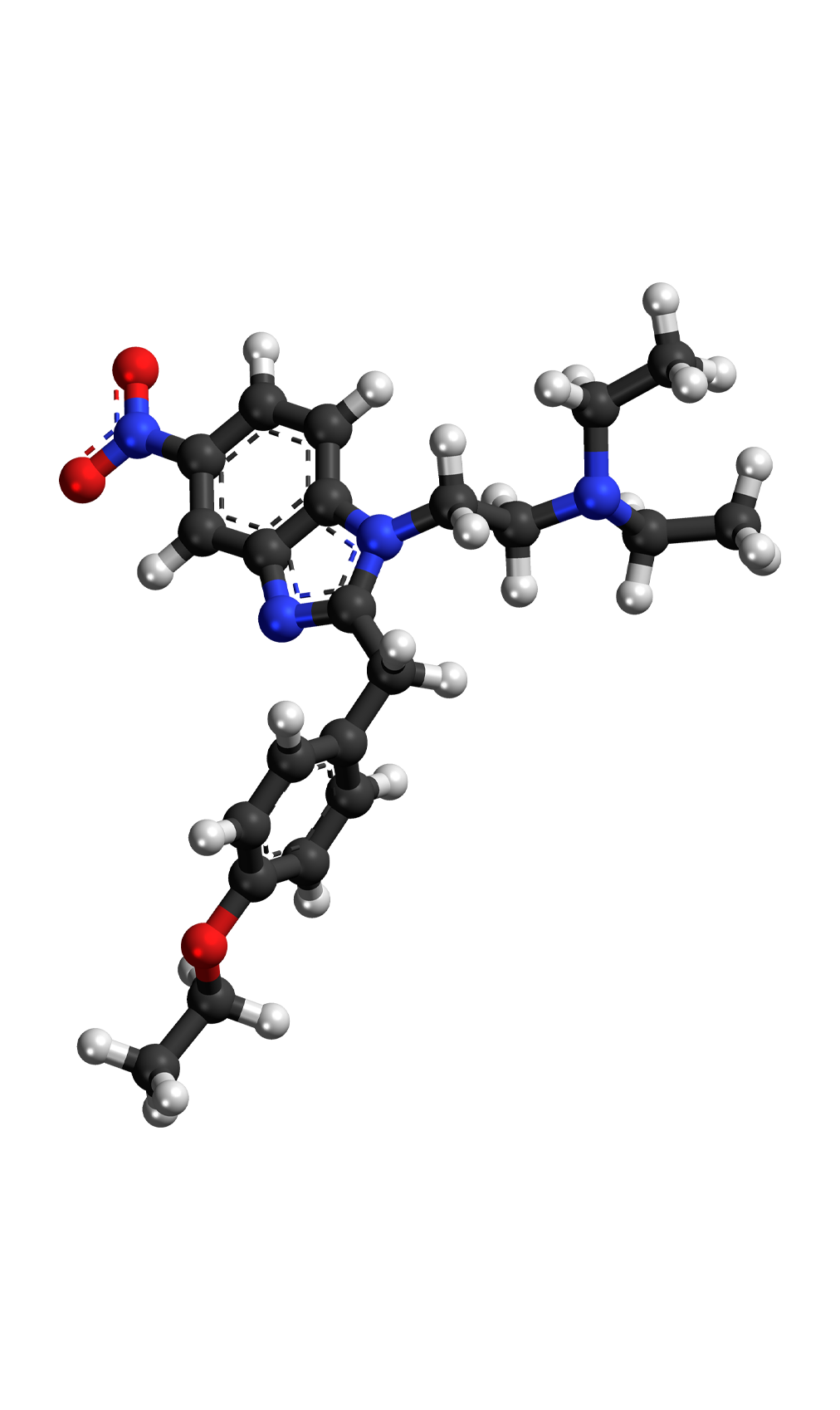
¿Qué son el kratom y el 7-OH, y cuáles son sus efectos en el cuerpo?
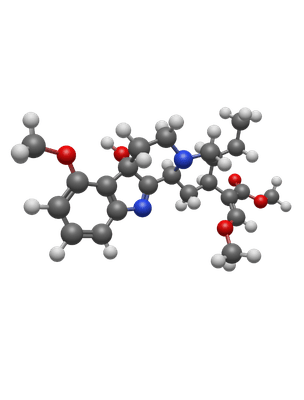
El kratom es un árbol originario del sudeste asiático. La mitraginina y la 7-OH (o 7-hidroximitraginina) son los principales compuestos naturales presentes en la planta de kratom que provocan su efecto psicoactivo.“
Algunos productos que se venden como kratom o 7-OH contienen cantidades artificialmente elevadas de 7-OH sintético o semisintético. Los niveles naturales de 7-OH en el kratom son relativamente bajos. Además, estos productos pueden contener otros aditivos o contaminantes, ya que la industria no está regulada y carece de controles y pruebas de calidad.
Ni el kratom ni el 7-OH se consideran actualmente sustancias controladas según la ley federal*, aunque algunos estados los han añadido a sus propias listas de sustancias controladas. Esto hace que sea ilegal fabricar, vender o poseer kratom y 7-OH en esas jurisdicciones. Otros estados han tomado medidas para regular la comercialización y venta de kratom y 7-OH.
En Estados Unidos, los productos etiquetados como kratom y 7-OH se presentan en diversas formas, como polvos, cápsulas, hojas o extractos. Suelen venderse en gasolineras, tiendas de conveniencia, tiendas de vapeo y por internet. Dado que la potencia de los productos de kratom y 7-OH varía, pueden afectar al organismo de maneras diferentes y a menudo impredecibles.
En dosis bajas, los productos que se venden como kratom pueden producir efectos estimulantes, como aumento de energía y estado de alerta. Pueden incrementar la frecuencia cardíaca, la ansiedad y la presión arterial, además de otros efectos adversos similares a los de los estimulantes. Dosis más altas de estos productos pueden producir efectos sedantes o similares a los de los opioides, como relajación y alivio del dolor. El consumo de grandes cantidades de kratom puede causar náuseas, estreñimiento, somnolencia, pérdida del conocimiento y sobredosis. El kratom no es un opioide, pero interactúa parcialmente con los mismos receptores cerebrales que los opioides.
Los productos con mayor contenido de 7-OH tienen efectos más similares a los de los opioides en el cerebro y el cuerpo. Estos productos conllevan un mayor riesgo de dependencia física y sobredosis, ya que son significativamente más potentes que el kratom en su forma natural.
Las tasas de uso de kratom en los Estados Unidos son significativamente más bajas que las de otras drogas, aunque existe una creciente número de personas que consumen la sustancia. Aún menos personas usan productos 7-OH. La investigación sobre los impactos en la salud a corto y largo plazo del kratom y el 7-OH es limitada; esta sigue siendo un área de estudio emergente, y Estos medicamentos son relativamente nuevos en el suministro de medicamentos..
Revisado y actualizado por la Dra. Sheila P. Vakharia el 04/01/2026.
 Acción