Washington DC - Hoy, la Corte Suprema de los Estados Unidos falló a favor de Ali Danial Hemani en Estados Unidos contra Hemani. El Sr. Hemani fue acusado de un delito grave en virtud de una ley federal que prohíbe la posesión de armas de fuego a personas consideradas "usuarios ilícitos" de sustancias controladas, debido a su consumo de marihuana. El Tribunal concluyó que la aplicación de la ley por parte del gobierno federal en este caso violó las garantías constitucionales, un fallo que podría tener implicaciones para procesos similares.
En respuesta, Kassandra Frederique, Directora Ejecutiva de la Alianza para la Política de Drogas, emitió el siguiente comunicado:
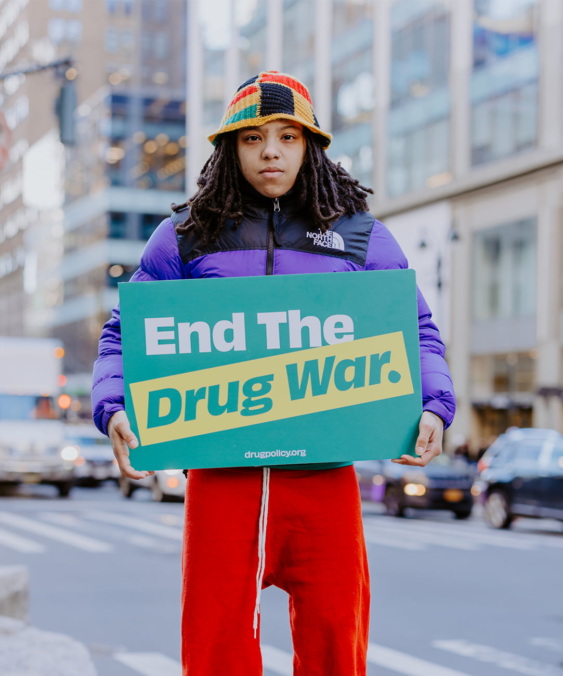
“Las comunidades merecen leyes de armas sensatas que reduzcan la violencia y salven vidas. El fallo de hoy reconoce que la protección de los derechos constitucionales y la seguridad pública deben ir de la mano. Durante más de cinco décadas, la guerra contra las drogas se ha utilizado para justificar violaciones generalizadas de las libertades civiles, duras penas de prisión y la negación de derechos fundamentales. En ese lapso, las drogas se han vuelto más potentes y accesibles, las sobredosis han aumentado y la financiación para las fuerzas del orden se ha disparado, mientras que los servicios de salud y el tratamiento siguen siendo inaccesibles para las personas que los necesitan.
“La ley federal en cuestión ha permitido a los fiscales presentar cargos contra personas basándose en un criterio ambiguo que nunca definió claramente quién califica como 'usuario ilícito' de una sustancia controlada. En este caso, la ley se utilizó para acusar al Sr. Hemani de un delito grave, a pesar de que no fue acusado de ningún otro delito ni de usar un arma de fuego bajo los efectos de las drogas o de representar un peligro para sí mismo o para los demás.‘.
“La decisión del Tribunal es especialmente significativa para los millones de personas que consumen marihuana. Subraya la necesidad de poner fin a la criminalización federal de la marihuana, que sigue utilizándose como motivo de arresto, detención, deportación, encarcelamiento y negación de derechos y servicios en todo Estados Unidos. Nadie debería perder sus derechos básicos ni enfrentar obstáculos para acceder a vivienda, asistencia alimentaria o educación debido al consumo de marihuana.
“Al igual que con el alcohol y otras sustancias intoxicantes, debemos tomar en serio los riesgos reales que conlleva combinar la intoxicación con las armas de fuego. Proteger la seguridad pública y las libertades fundamentales exige leyes claras, aplicables y vinculadas a amenazas reales a la seguridad pública, y no basadas en la lógica fallida de la guerra contra las drogas.”
Fondo:
¿Qué decidió la Corte Suprema de los Estados Unidos (SCOTUS) en el caso? ¿Estados Unidos contra Hemani?
- El Tribunal Supremo dictaminó que es inconstitucional procesar al Sr. Hemani por posesión de un arma de fuego únicamente porque admitió consumir marihuana con regularidad. Según el fallo, para que un procesamiento por posesión ilegal de un arma de fuego cumpla con la Segunda Enmienda, el gobierno debe demostrar algo más que el consumo habitual de una sustancia controlada (como pruebas individuales de su peligrosidad).
¿Cuál es la ley federal en cuestión (18 USC 922 (g)(3)) y a quién se aplica?
- Esta ley tipifica como delito grave la posesión de un arma de fuego por parte de cualquier persona que sea usuaria ilegal o adicta a alguna sustancia controlada. La pena por infringir esta ley es de hasta 15 años de prisión, una multa de hasta 14250 000 dólares y la prohibición de por vida de poseer armas de fuego. Dado que el término "usuario ilegal" no está definido, resulta ambiguo a quién se aplica esta ley. El fallo de la Corte Suprema deja abierta la posibilidad de enjuiciamientos bajo esta ley con base en pruebas individualizadas de peligrosidad causada por el consumo de drogas o cuando la droga en cuestión "hace que sus usuarios sean peligrosos debido a su potencia o por alguna otra razón".“
¿Cómo se ha utilizado históricamente la guerra contra las drogas para restringir derechos y limitar libertades?
- Durante décadas, las leyes sobre drogas se han utilizado no solo para prohibir sustancias, sino también para limitar el acceso a una serie de derechos y oportunidades, entre ellos:
- Votación. Muchos estados privaron del derecho al voto a las personas con condenas por delitos graves relacionados con las drogas.
- Alojamiento. Las condenas por delitos de drogas se han utilizado para denegar el acceso a viviendas públicas y a ayudas para la vivienda.
- Empleo. Las condenas por delitos de drogas suelen crear obstáculos para la obtención de licencias profesionales y las oportunidades de empleo.
- Educación. Históricamente, algunos estudiantes perdieron la elegibilidad para recibir ayuda financiera federal debido a condenas por delitos de drogas.
- Inmigración. Los delitos relacionados con las drogas siempre han conllevado graves consecuencias migratorias, incluyendo la deportación y la inadmisibilidad.
- Derechos de la Segunda Enmienda. La Sección 922(g)(3) es un ejemplo donde el consumo de drogas puede resultar en la pérdida de un derecho constitucional.
Estas consecuencias colaterales suelen extender el castigo mucho más allá de una acusación penal y afectan de manera desproporcionada a las comunidades marginadas.
¿La decisión de la Corte Suprema en Hemani ¿Tienen implicaciones más allá del derecho a portar armas?
- Potencialmente. La Corte Suprema no abordó otros derechos o programas gubernamentales en Hemani. Sin embargo, la decisión plantea una cuestión más amplia: si el consumo de cannabis por sí solo no es suficiente para justificar la privación de un derecho constitucional, ¿debería el consumo de marihuana seguir provocando otras consecuencias legales y civiles adversas? Durante décadas, las leyes sobre drogas se han utilizado para limitar el acceso al empleo, la vivienda, los beneficios públicos, el estatus migratorio, las licencias profesionales y otras oportunidades. Si bien Hemani Si bien esto no invalida dichas restricciones, puede alentar a los tribunales y a los legisladores a examinar más detenidamente si tales sanciones están respaldadas por pruebas de daño o peligro real, en lugar de basarse en suposiciones sobre las personas que consumen marihuana.
¿Qué factores podrían justificar aún restringir el acceso de las personas que consumen drogas a las armas de fuego después de Hemani?
- La Corte Suprema no estableció una lista definitiva. Sin embargo, indicó que su decisión no afecta las leyes que abordan a las personas que se encuentran activamente intoxicadas, adictas a las drogas o que, según pruebas individualizadas, representan un peligro para sí mismas o para los demás. La Corte también dejó abierta la posibilidad de que el Congreso pueda adoptar restricciones más estrictas sobre las armas de fuego vinculadas a riesgos específicos asociados con sustancias particulares. Hemani Se rechazó la idea de que el consumo de marihuana por sí solo sea suficiente para justificar la pérdida de los derechos amparados por la Segunda Enmienda.